Squad Goals, Dollar Signs: Why Celebrity Friendships Are the Hottest Brand in Entertainment Right Now
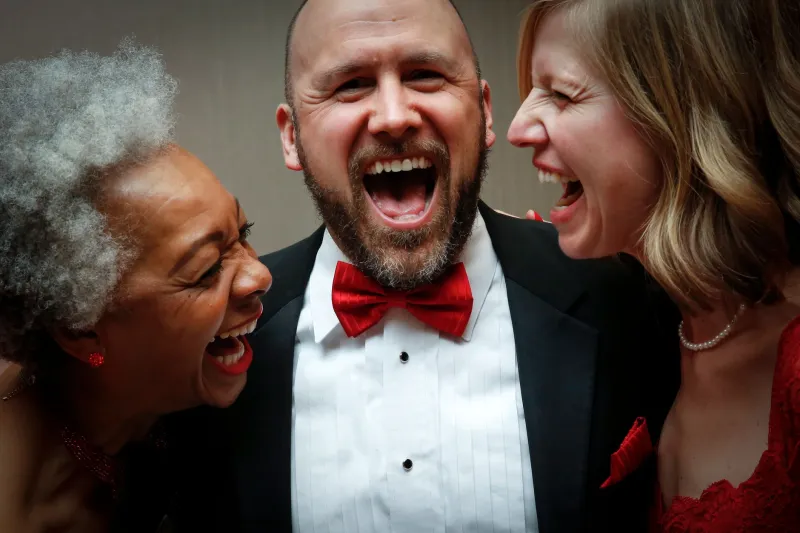
There's a moment every few months where the internet collectively loses its mind over two celebrities simply being seen together. A candid photo at a game. A joint Instagram story from a vacation nobody was invited to. A red carpet appearance where the body language alone sends fan accounts into overdrive. And increasingly, brands, streaming platforms, and media companies are paying very close attention — because celebrity friendships have quietly become one of the most powerful marketing assets in the entire entertainment industry.
This isn't just about tabloid chatter anymore. The friendship economy — the idea that a celebrity duo or tight-knit group generates more cultural currency together than they ever could apart — is very real, very lucrative, and very much shaping the content landscape heading into 2025.
Two Is Better Than One (And the Math Proves It)
Let's talk numbers for a second. When Taylor Swift brought her squad courtside to Kansas City Chiefs games last year, the combined media value generated by those appearances wasn't just about Taylor. It was about the moment — the group energy, the reactions, the memes, the discourse. Sponsors weren't just paying for Swift's eyeballs; they were paying for an entire ecosystem of attention that a single celebrity, no matter how famous, simply can't manufacture alone.
The same principle plays out on TikTok almost daily. Creator friend groups — think houses, collectives, or just two people who clearly have undeniable chemistry on camera — routinely outperform solo content. Audiences don't just watch; they invest. They pick sides, they ship the dynamic, they write fan fiction about it. That level of parasocial engagement is marketing gold, and brands are starting to figure out how to tap into it in ways that feel organic rather than forced.
The result? Joint brand deals, co-hosted podcasts, shared merchandise lines, and dual-talent contracts that would've seemed unusual five years ago are now becoming standard practice.
Why We're So Obsessed With Famous Friendships
Here's the psychological layer that makes all of this tick: we're wired to care about relationships. Evolutionary biology aside, friendship narratives are just genuinely compelling storytelling. When we see two celebrities who seem to genuinely like each other — laughing at the same jokes, defending each other online, showing up at each other's big moments — it scratches a very specific itch.
It feels real in an era where almost nothing does.
That's the irony, of course. Celebrity friendships are some of the most mediated, PR-managed relationships on the planet. And yet audiences consistently respond to them as though they're watching something unfiltered. The best celebrity friend dynamics — the ones that actually move culture — manage to feel spontaneous even when they're anything but. It's a performance of authenticity, and when it works, it works spectacularly.
Parasocial psychology researcher Dr. Crystal Abidin has written extensively about how audiences form emotional attachments not just to individual influencers but to relationships between them. The drama, the loyalty, the inside jokes — these become narrative threads that keep audiences coming back. For entertainment marketers, that's not just engagement. That's retention.
The TikTok Effect: Friendship as Content Strategy
Nowhere is the friendship economy more visible than on TikTok, where creator duos and tightly bonded groups have essentially industrialized the concept. The platform's algorithm rewards interaction and reaction content — which means two people with genuine chemistry have a built-in structural advantage over solo creators.
Take the wave of "bestie" content that's dominated For You pages over the past two years. Creators who might individually pull decent numbers suddenly become unmissable when they're consistently paired together. Their comment sections fill up with people tagging their own friends, projecting their own relationships onto the dynamic. That projection is the whole ballgame. It transforms passive viewers into active participants who feel personally connected to the content.
Small wonder, then, that talent agencies are increasingly signing creator pairs rather than individuals. Or that brand briefs now routinely include language around "authentic friendship dynamics" and "duo content potential." The industry has caught up to what audiences already knew: the relationship is the product.
A-List Friendships That Actually Moved Markets
Zoom out from TikTok and the same dynamics play out at the highest levels of celebrity culture. The Bennifer 2.0 reunion didn't just dominate gossip cycles — it generated a measurable spike in engagement for every brand either party was associated with. The Selena Gomez and Taylor Swift friendship, arguably one of the most enduring in pop culture, has functioned as a perpetual content engine for over a decade, with each public show of support triggering fresh waves of media coverage that neither could manufacture solo.
More recently, the internet's fascination with celebrity friend groups — particularly among younger Hollywood — has created an entirely new tier of tabloid coverage dedicated not to individual stars but to the dynamics between them. Who's in the group chat? Who got left out? Who showed up for whom during a rough patch? These questions drive clicks in a way that straight-up celebrity news sometimes doesn't.
And brands are designing campaigns around it. Multi-talent activations, joint appearances, and "friend group" editorial spreads have become go-to formats for fashion houses, streaming platforms launching new shows, and even non-entertainment brands trying to borrow some of that warmth and relatability.
The Risk Side of the Equation
It's not all upside, obviously. Celebrity friendships are also spectacular when they collapse, and the fallout can be brutal for everyone involved — including the brands that hitched their wagon to the duo. When a high-profile celebrity friendship implodes publicly, the parasocial investment audiences made works in reverse. The betrayal feels personal. The discourse gets ugly. And any co-branded content suddenly becomes awkward at best, toxic at worst.
There's also the question of oversaturation. When a friendship gets packaged and sold too aggressively — when every moment feels engineered rather than genuine — audiences clock it fast. The very thing that makes celebrity friendships powerful (that sense of realness) evaporates under too much commercial pressure. It's a delicate balance, and not everyone gets it right.
What This Means Going Forward
The friendship economy isn't a trend that's going away. If anything, it's accelerating. As audiences grow more sophisticated about individual celebrity branding — more skeptical of the curated solo persona — the relationship between celebrities becomes the last frontier of apparent authenticity. We might not believe a celebrity's perfectly lit Instagram post, but we're more willing to believe in the dynamic between two people who clearly enjoy each other's company.
For entertainment marketers, talent agencies, and content creators alike, the message is pretty clear: stop thinking about individual stars in isolation. Start thinking about the relationships, the dynamics, the chemistry. That's where the real value is being created right now.
Friendship, it turns out, is incredibly good for business.