Sobriety Is Having a Moment — But Is Celebrity Recovery Culture Actually Helping Anyone?
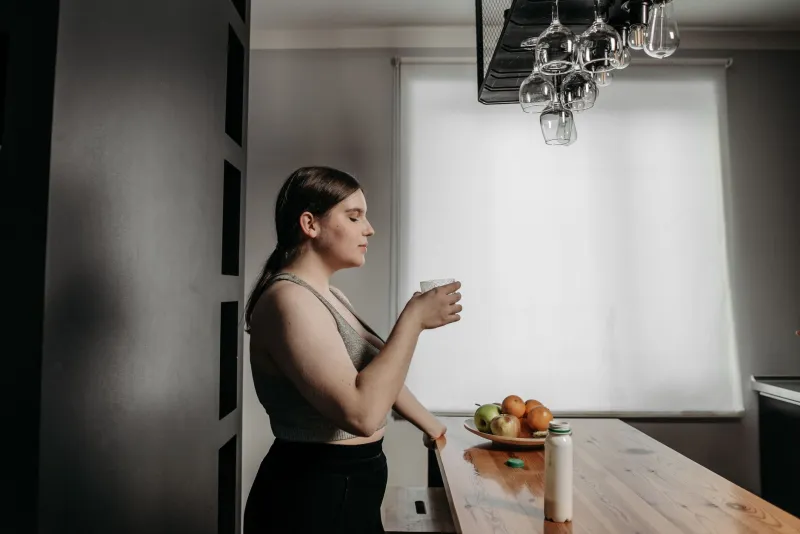
Scroll through any major celebrity's social media feed these days and you're likely to encounter at least one of the following: a heartfelt post about getting sober, a podcast episode about the decision to quit drinking, a partnership with a non-alcoholic beverage brand, or a carefully lit photo of someone holding a wellness elixir with a caption about 'choosing clarity.'
Sobriety has officially become a lifestyle brand. And like most lifestyle brands, it's complicated.
The Rise of the Sober Celebrity
The cultural shift toward visible sobriety in celebrity spaces has been building for a while, but it's accelerated dramatically over the last few years. Partly this tracks with broader cultural trends — the sober-curious movement, the rise of mocktail culture, Gen Z's well-documented lower rates of alcohol consumption. But in celebrity world, there's an additional layer: sobriety has become a genuinely compelling content category.
And it makes sense why. Recovery stories hit almost every note that performs well online. They're personal, they're dramatic, they involve transformation, and they position the storyteller as both vulnerable and triumphant. In an attention economy, that's basically a perfect narrative structure.
For celebrities who've been through genuine, difficult recoveries, sharing that journey publicly can also be meaningful advocacy. There's real evidence that high-profile figures talking openly about addiction and mental health reduces stigma and encourages people to seek help. That matters. It's not nothing.
But somewhere between authentic advocacy and lifestyle content, things get murky.
When Recovery Becomes a Revenue Stream
The moment sobriety started generating brand deals, the whole conversation got more complicated. Today, celebrity recovery stories are frequently accompanied by partnerships — non-alcoholic spirits, wellness apps, meditation platforms, supplement brands. The message and the monetization have become so intertwined that it's genuinely hard to separate them.
This isn't automatically cynical. People deserve to make money, and recovery-adjacent businesses can be legitimate. But it does create a strange incentive structure where staying publicly sober — and continuing to talk about it — is financially rewarding in ways that staying privately sober simply isn't. When your sobriety anniversary post generates more engagement than almost anything else you share, you'd have to be superhuman not to notice that.
The question isn't whether celebrities should profit from their stories. It's whether the profit motive is shaping the story itself — and whether audiences can tell the difference.
The Pressure to Perform Vulnerability
For younger stars especially, there's a visible pressure to participate in this kind of confessional content. The entertainment landscape currently rewards emotional transparency to a degree that would have seemed bizarre even fifteen years ago. Being 'real' about your struggles isn't just respected — it's practically a career requirement in certain spaces.
This creates a troubling dynamic for people who are actually in the middle of recovery. Real recovery is messy, non-linear, and deeply private. It doesn't always have a redemptive arc. It doesn't always produce content-ready moments of clarity. When the cultural expectation is that you'll broadcast your healing journey in real time, what happens when the journey stalls or reverses? Suddenly your personal struggle is also a public narrative with an audience that has feelings about how it should go.
The parasocial dimension here is genuinely concerning. Audiences who've invested in a celebrity's recovery story can become intensely attached to its outcome — which is a lot of pressure to put on someone who's already dealing with one of the hardest things a person can go through.
Authentic vs. Performative: Can You Actually Tell?
Honestly? Sometimes, yes. There's usually a texture difference between someone sharing their experience because it helps them process it and connect with others, and someone executing a content strategy around a wellness pivot.
Authentic recovery content tends to be inconsistent, uncomfortable, and occasionally boring. It doesn't always have a lesson. It doesn't always end with a call to action or a product link. The person telling the story sometimes seems uncertain, still figuring things out.
Performative recovery content tends to be polished. The narrative arc is clean. The transformation is complete. There's a product or a platform that helped. The comment section is full of people saying they needed to hear this today.
That's not a perfect litmus test, and it's not fair to assume the worst about everyone who shares their sobriety publicly. But it's worth holding some critical space when recovery gets packaged this neatly.
What the Trend Actually Gets Right
For all the complications, there's something genuinely valuable happening here too. Sober curiosity as a mainstream concept — the idea that you don't have to be an addict to question your relationship with alcohol — has been meaningfully normalized partly because celebrities have talked about it so openly. The shame that used to surround sobriety, at least in entertainment and nightlife culture, has genuinely diminished.
And for people who are struggling, seeing someone they admire talk honestly about getting help can be the thing that tips them toward doing the same. That's not nothing. That's actually a lot.
The goal probably isn't to get celebrities to stop talking about recovery. It's to stay thoughtful about how we consume those stories — and to make sure the people telling them have actual support structures that go deeper than their engagement metrics.