When Mom or Dad's Fame Becomes Dead Weight: The Surprising Career Toll of Celebrity Parentage
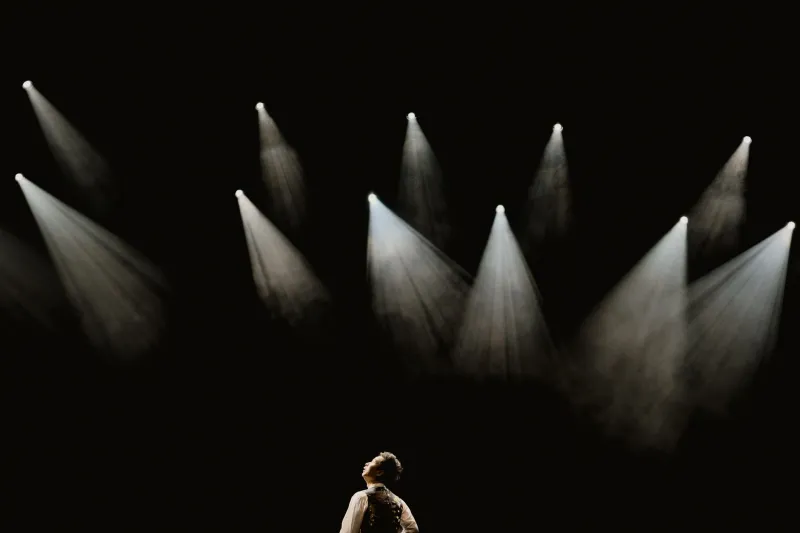
Everybody loves a good origin story. And in Hollywood, few origin stories feel more ready-made than the celebrity kid who steps out of their famous parent's shadow to claim their own spotlight. But here's the part that gets glossed over in the feel-good narrative: for a lot of these kids, that shadow doesn't just loom large — it actively crushes.
The conventional wisdom says famous parents equal golden tickets. Better auditions, warmer industry receptions, a publicist who already has your back before you can legally sign your own contracts. And sure, sometimes that's exactly how it plays out. But dig a little deeper into the actual career trajectories of celebrity offspring, and a more complicated picture starts to emerge — one where the famous last name is less a launching pad and more an anchor.
The Casting Room Reality Nobody's Talking About
Here's something that rarely makes it into the glossy profiles: casting directors talk. And a growing number of industry insiders have quietly acknowledged that legacy hires carry a specific kind of baggage that can actually work against a young actor or musician before they've even opened their mouth.
The logic is almost counterintuitive. When a famous kid walks into an audition, they're not evaluated in a vacuum. They're being mentally compared — often unfavorably — to a parent who has spent decades perfecting their craft. A 22-year-old trying to land a dramatic role doesn't just have to beat out the other 22-year-olds in the room. They have to psychologically overcome the ghost of whoever their parent is, hovering in the mind of every decision-maker present.
There's also the risk calculus that studios quietly run. Casting a celebrity's kid and having it go sideways doesn't just mean a bad movie. It means headlines. It means "Was [Famous Parent]'s kid really the right call?" stories that can dog a project for years. Some producers have admitted — off the record, naturally — that they'd rather take a chance on an unknown than invite that particular kind of scrutiny.
The Authenticity Tax
If there's one thing today's audience has a sixth sense for, it's manufactured credibility. And in an entertainment landscape where authenticity is the most valuable currency going, celebrity kids are often starting with a serious deficit in the public eye — regardless of their actual talent level.
Scroll through any comment section the moment a famous person's child lands a major role or drops a debut single, and the skepticism is almost reflexive. "Would they even be here if their parent wasn't famous?" It's a question that gets asked so loudly and so often that it can drown out everything else — including whether the work itself is actually any good.
This is what some cultural critics have started calling the authenticity tax: the extra burden of proof that celebrity kids have to carry simply because their path to opportunity looked easier than everyone else's. And the cruel irony is that this tax doesn't disappear even when the talent is undeniable. It just shifts — from "they don't deserve to be here" to "okay but they still had it easier than everyone else."
The Strategic Rebrand: Hiding in Plain Sight
So what do you do when your last name is both your biggest asset and your biggest liability? A surprising number of celebrity offspring have figured out the answer: you quietly bury it.
The entertainment industry has seen a notable uptick in legacy kids who've made deliberate, calculated moves to obscure or downplay their famous connections — at least early in their careers. Some have gone as far as using different stage names or dropping their surname entirely for their first few projects. Others have taken a more geographic approach, building their initial reputation in markets or mediums where their parent's name carries less weight.
The strategy isn't about deception, exactly. It's about buying themselves enough runway to let their work speak before the narrative gets written for them. And in several cases, it's worked — artists and actors who established genuine credibility under the radar before revealing their full background have found that the reveal, when it finally comes, lands very differently than it would have upfront.
When the Name Becomes a Ceiling, Not a Floor
Perhaps the most underreported dimension of this whole dynamic is what happens to celebrity kids who do break through — only to find that the famous parent comparison never actually stops.
For performers in particular, there's a specific kind of critical lens that gets applied to legacy talent that their peers simply don't face. Every performance gets measured against a parent's legacy. Every stylistic choice gets filtered through the question of influence versus imitation. It's a framework that's almost impossible to escape once it's been established, and it can effectively cap how far a career can go by anchoring the artist permanently in someone else's story.
Some have spoken openly about the psychological weight of this dynamic — the strange experience of working harder than anyone around you and still having your achievements attributed, at least partially, to someone else's name. It's a kind of career gaslighting that the industry hasn't really developed a vocabulary for yet.
The Bigger Picture
None of this is an argument that celebrity kids have it harder than people breaking into the industry without connections. That would be a stretch, and frankly, it would miss the point entirely. The structural advantages of having industry access, financial security, and a famous name are real and significant.
But the nepotism conversation has become so one-dimensional — so focused on the doors that get opened — that it's started to obscure the genuine complications that come with growing up famous-adjacent. The bias, the public skepticism, the psychological weight of a famous parent's legacy: these aren't imaginary obstacles. They're documented, they're consistent, and they shape careers in ways that don't always get acknowledged.
The Hollywood machine loves a simple story. Famous parent, lucky kid, easy career. But the actual data — the rebrands, the strategic name-drops, the off-the-record casting conversations — tells something messier and, honestly, a lot more interesting.
Being born into the spotlight doesn't guarantee you'll survive it. Sometimes it's the thing that burns you first.