Spill Season: How Dumped Celebrities Turned Breakup Drama Into Their Biggest PR Move Yet
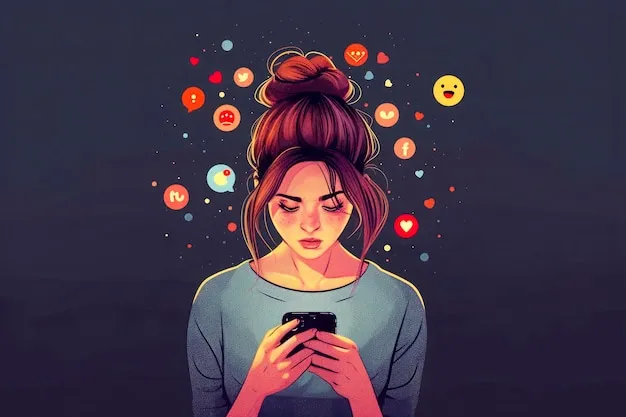
Photo: celebrity scrolling phone social media dramatic expression, via img.freepik.com
There used to be a script for celebrity breakups. Issue a joint statement. Say something vague about 'growing apart.' Post a solo vacation photo six weeks later. Done. Clean. Boring.
That script is dead. And honestly? The algorithm killed it.
What's replaced it is something far messier, far more watchable, and — depending on who you ask — far more calculated. Celebrities are now airing breakup grievances in real time, dropping hints that snowball into Reddit threads, leaking (or 'accidentally' leaking) texts, and building entire content arcs around the wreckage of their love lives. The audience rewards them for it with streams, followers, and think pieces exactly like this one. Welcome to Spill Season.
The New Breakup Playbook
It didn't start with any single moment, but the past few years have made the pattern undeniable. A celebrity couple splits. Within weeks — sometimes days — one half of the former duo starts posting. Not about the breakup, at first. Just... vibes. A lyric here. A gym selfie there. A comment section full of people reading between the lines.
Then comes the escalation. Maybe it's a song. Maybe it's a tell-all interview framed as 'finally being honest.' Maybe it's a TikTok that seems totally random until someone screenshots the timestamp and connects it to the ex's new relationship announcement. The internet does the rest.
What makes this era different from classic celebrity gossip isn't the drama itself — it's the infrastructure. Social media gives celebrities direct access to their audience, which means they don't need a publicist to plant a story in Page Six anymore. They can plant it themselves, with plausible deniability built right in. It's not a press release. It's just a vibe post.
'Accountability' or Attention Strategy?
Here's where it gets complicated. Some of what's passing for 'exposing' an ex is genuinely accountability. Celebrities — particularly women — have long been pressured to stay silent about mistreatment in relationships to protect their partners' images. When someone breaks that silence, it can be meaningful. It can validate experiences that fans have quietly suspected. It can shift public narratives that were unfairly tilted.
But let's be honest about the other side of it. The timing is rarely accidental. A breakup reveal that drops the week before an album release isn't just grief — it's a press run. A cryptic post that sends fans into detective mode the same week a movie trailer drops isn't just processing emotions — it's engagement farming. The messiest breakup narratives are almost always the ones that generate the most streams, the most followers, the most coverage.
And the algorithm doesn't care about your feelings. It cares about clicks. Which means celebrities who play this game effectively are essentially being paid to seem devastated.
The Audience Is Complicit — And Knows It
Here's the uncomfortable truth that doesn't get said enough: we're all in on it. The fans who spend hours building timeline theories about who did what to whom aren't naive. They know, on some level, that they're consuming a product. But the product is good. It's compelling. It hits the same part of the brain as reality TV and true crime — that irresistible pull of 'what actually happened.'
Social media platforms have essentially gamified heartbreak. The more specific the detail, the more it sounds like a real conversation rather than a PR statement, the more it spreads. A celebrity saying 'I was hurt' gets a polite response. A celebrity saying something that sounds like it could only be directed at one specific person? That's a cultural event.
The ex, meanwhile, is usually stuck in a no-win situation. Respond and you're feeding the cycle. Stay silent and the narrative belongs entirely to the other person. Either way, the original poster wins the news cycle.
Who's Actually Getting Burned
Not everyone walks away from Spill Season unscathed. There's a real risk in over-sharing — audiences can shift from sympathy to fatigue surprisingly fast. When the breakup content keeps coming months after the split, the 'honest and vulnerable' framing starts to curdle. What looked like healing starts to look like obsession. What looked like accountability starts to look like a grudge.
There's also the question of what happens when both sides start talking. When two celebrities are equally willing to air grievances publicly, it stops being a narrative and starts being a mess. Audiences don't always know who to root for, and without a clear protagonist, the whole thing just becomes noise.
The celebrities who navigate this best are the ones who know exactly when to stop. One moment of apparent vulnerability, perfectly timed. Then silence. Let the internet fill in the blanks. That restraint — that controlled openness — is actually the hardest thing to pull off.
The Bottom Line
Spill Season isn't going anywhere. If anything, it's getting more sophisticated. The line between genuine emotional expression and strategic content is blurring so fast that it may not be possible to draw it cleanly anymore. And maybe that's fine. Maybe the idea that celebrities owe us 'authentic' grief was always a little weird to begin with.
What's worth watching is how audiences respond as the formula becomes more obvious. Right now, the messiest breakup narratives still dominate the conversation. But audiences have a way of eventually getting bored with any trick, no matter how effective. The celebrities smart enough to see that coming — and pivot before the backlash hits — are the ones who'll still be relevant when Spill Season finally goes out of style.
Until then? The group chat stays open. The timeline stays chaotic. And somewhere, a recently single celebrity is definitely drafting a very 'personal' caption right now.